Avoid hidden rubbish removal charges in Newington
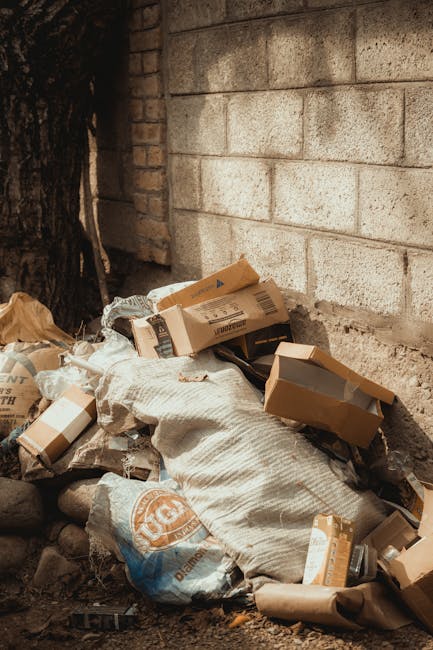
If you have ever booked rubbish removal and then spotted a mystery line on the invoice, you will know the feeling: annoying, awkward, and a bit unfair. In Newington, where homes, flats, offices, and renovation jobs can all produce very different kinds of waste, hidden costs can creep in quickly if the quote is vague. This guide shows you how to avoid hidden rubbish removal charges in Newington, what to ask before booking, and how to compare services without getting caught out by extra fees.
Whether you are clearing a cramped flat near busy roads, dealing with builders' waste after a makeover, or simply shifting an old sofa and a battered fridge, the basics are the same: know what is included, confirm how pricing works, and make sure the service matches the job. Simple enough on paper. In real life, not always.
To help you make a confident choice, this article breaks down the warning signs, the booking process, the questions worth asking, and the practical checks that save time and money. You will also find a comparison table, a hands-on checklist, and a few realistic examples from everyday rubbish removal situations.
Why Avoid hidden rubbish removal charges in Newington Matters
Hidden charges are more than a nuisance. They can turn a sensible booking into a job that costs far more than expected. In rubbish removal, the issue usually comes down to one of three things: the quote was not specific enough, the waste type was misunderstood, or the provider added a fee for access, labour, waiting time, or disposal after they arrived.
In a place like Newington, this matters because the local mix of properties can make waste jobs more complex than they look. A small flat may have tight stairwells and limited parking. A house clearance might involve loft access, heavy furniture, or bagged waste stored in different rooms. A commercial job could need careful timing around staff, customers, or loading restrictions. If the quote ignores these realities, surprise costs are never far away.
There is also the trust issue. Clear pricing is a sign of a well-run service. Vague pricing often means vague service. That does not automatically mean a poor provider, of course, but it does mean you should ask better questions. Let's face it, nobody enjoys negotiating from the kerb while a team stands by the van asking for more money.
Expert summary: The safest way to avoid hidden rubbish removal charges in Newington is to get a detailed quote, declare the exact waste, confirm access conditions, and check what happens if the load changes on the day.
How Avoid hidden rubbish removal charges in Newington Works
Most rubbish removal pricing is based on a combination of volume, weight, waste type, labour, and logistics. Some companies quote by load size, some by item, and some by a mix of both. The problem starts when the initial estimate leaves out the details that affect the real price.
Here is how the process usually works in practice:
- You describe the waste. This should include item types, approximate volume, and whether anything is bulky, heavy, awkward, or hazardous.
- The company estimates the job. A good provider will ask questions about access, parking, stairs, and any special handling needed.
- A quote is given. Ideally, this should clearly state what is included and what could trigger an extra charge.
- The team arrives and checks the load. If the reality matches the description, the price should stay steady. If not, the provider should explain any change before proceeding.
- Removal and disposal take place. The waste is taken away, sorted, and processed according to its type. More complex items may need separate handling.
That final stage is where pricing can shift if the job has not been described properly. For example, a pile of mixed household rubbish is different from a load of rubble, plasterboard, broken tiles, or a fridge. Even if the volume looks similar, the disposal path and handling costs may not be.
If you want to compare services properly, it helps to look at the provider's pricing and quotes guidance first, then match that to the actual waste you need collected. That way you are comparing like with like, which sounds obvious, but people miss it all the time.
Key Benefits and Practical Advantages
Keeping rubbish removal pricing transparent does more than save money. It makes the whole job smoother, calmer, and less stressful. And if you have ever tried to organise a clearance while juggling work calls, school runs, or a stubborn landlord, you will know calm is valuable.
- Better budgeting: You can plan the real cost instead of leaving a cushion for unknown extras.
- Cleaner comparisons: You can compare two quotes fairly, rather than guessing which one is genuinely cheaper.
- Fewer delays: When access, lifting, and waste type are agreed in advance, the collection is quicker.
- Less conflict on the day: Clear expectations reduce awkward conversations at the end of the job.
- Smarter disposal choices: You can decide whether full-load collection, item-based removal, or another clearance method makes more sense.
There is a practical side too. If you are clearing out a cluttered loft, garage, or office, hidden charges often appear because the job was estimated from a photo that did not tell the full story. A broken wardrobe in a corner may look light enough, but if it needs carrying down narrow stairs through a tight hallway, labour and time matter. The same goes for heavy appliances, mattresses, or awkward garden waste.
For larger or more specialised jobs, it may help to review related services such as house clearance, flat clearance, or builders waste clearance so you can see how different types of clearance are typically handled. Different waste, different rules. That part is easy to underestimate.
Who This Is For and When It Makes Sense
This topic is relevant to almost anyone booking waste collection in Newington, but some people are especially likely to run into hidden fees.
- Homeowners doing a clear-out: If your loft, garage, or spare room has become the family dumping ground, item counts can rise fast.
- Tenants moving out: End-of-tenancy clearances often happen under pressure, which is exactly when mistakes happen.
- Landlords and agents: Void properties, abandoned furniture, and quick turnarounds leave little room for back-and-forth.
- Builders and tradespeople: Mixed construction waste can cause pricing confusion if rubble, timber, and packaging are all bundled together.
- Office managers: Desks, IT waste, archive boxes, and confidential items may need different handling.
It also makes sense if you are comparing rubbish removal against skip hire. A skip can be useful, but you still need to think about permits, loading time, street space, and what can actually go in it. If you are not sure about acceptable materials, the page on what can go in a skip is a good reference point. Not everything that looks rubbish is legally or practically simple.
If your job includes bulky furniture, it may be worth looking at furniture clearance or furniture disposal. For worn-out sleeping gear, mattress and sofa disposal can be more relevant than a general waste collection. Picking the right service is one of the easiest ways to avoid extra fees before they start.
Step-by-Step Guidance
If you want a straightforward way to avoid hidden rubbish removal charges in Newington, follow this sequence. It is not glamorous, but it works.
- List every item or waste type. Be specific. "A few bits of rubbish" is not enough. Say whether there are bags, furniture, rubble, appliances, timber, or mixed loads.
- Estimate the access conditions. Note stairs, narrow hallways, parking issues, basement access, shared entrances, or long carry distances. A job from a ground-floor front room is not the same as one from a fourth-floor flat with no lift.
- Separate special items. Appliances, mattresses, fridges, confidential paper, and hazardous materials often need separate treatment. If you are unsure, ask before the booking is made.
- Ask what is included in the price. Labour, loading, disposal, congestion, parking, VAT if applicable, and waiting time should all be clear. If something is not mentioned, assume it may not be included. That is the safe rule.
- Request a written quote or clear confirmation. A message or email that sets out the agreed scope can prevent confusion later.
- Check how changes are handled. If extra items are found on the day, what happens? A reputable company will explain the difference and ask before proceeding.
- Prepare the waste. If possible, move items to one place, separate recyclables, and clear a path for the team. Small prep can save time and reduce labour charges.
- Confirm the collection window. A vague arrival slot can lead to knock-on delays. Nobody likes spending half a morning watching the road.
One useful clarification: if a company gives a quote based on photos, make sure the photos show the whole load, the access route, and any awkward items from more than one angle. A single tidy picture can hide a lot.
Expert Tips for Better Results
In our experience, the people who avoid nasty surprises are not necessarily the ones with the biggest budget. They are the ones who ask sharper questions and give better information. Pretty simple, really.
- Describe the heaviest item first. Heavy items tend to affect labour, handling, and loading time more than people expect.
- Use measurements where possible. A sofa, wardrobe, or stack of boards described in feet or metres is easier to quote accurately than "quite big".
- Ask about minimum charges. Some services are not priced by individual item, so a small load may still sit inside a minimum fee. Good to know before booking.
- Be honest about mixed waste. Mixed loads can be more expensive to sort and process. The quote should reflect that.
- Keep an eye on access details. Parking distance, stairs, and loading restrictions can matter as much as the waste itself.
- Keep hazardous items separate. Do not quietly add paint tins, chemicals, or sharp objects into a general pile and hope for the best.
If your job involves business premises, the details can be different again. Office waste, old records, and clearance of desks or filing cabinets often need a more structured approach. You may want to review office clearance or business waste removal before you book. A quick read can save a surprisingly large headache later.
A small but useful habit: take photos before the collection and keep the original quote in one place. If there is ever a disagreement, you have a record. Not exciting, but very handy.
Common Mistakes to Avoid
Most hidden charges are not the result of dramatic scams. More often, they come from ordinary mistakes that snowball. Here are the big ones.
- Being vague about the waste: "Household rubbish" can mean almost anything. The more precise you are, the safer the quote.
- Ignoring access problems: A narrow stairwell or parking issue can change the cost, especially if the team has to carry items a long way.
- Assuming all waste is treated the same: It is not. Furniture, rubble, appliances, garden waste, and hazardous items all behave differently in the disposal chain.
- Forgetting about extras: Waiting time, parking, additional labour, and special handling are common places for price changes.
- Not reading the small print: Terms and conditions matter, even when the job feels straightforward.
- Choosing on price alone: The lowest quote can become the most expensive if it was incomplete from the start.
There is also the "I'll sort it later" mistake. That one bites hard. If you leave loose piles scattered across rooms, the crew may need longer to assess and load the waste, which can affect the final price. A tidy stack is not just neat; it is cheaper in many cases.
Tools, Resources and Recommendations
You do not need fancy software or a complicated spreadsheet to stay in control. A few simple tools are enough.
- A phone camera: Take clear photos of the waste and the access route.
- A tape measure: Useful for bulky items, especially furniture and renovation waste.
- A note app or checklist: Keep a brief list of what is going and what is staying.
- Basic room-by-room review: This works well for house clearance, loft clearance, and garage clearance jobs.
For related practical reading, it can help to look at waste removal for general collections, loft clearance for hidden storage spaces, or garage clearance if the job has grown into a proper family archive of old stuff. You know the sort of thing: broken chair, box of cables, half-used tins, mystery bag of screws.
If you want to understand waste handling and recycling standards more broadly, the company's recycling and sustainability information is worth reading. It helps you understand why certain items cost more to process and why separation matters.
Law, Compliance, Standards and Best Practice
For rubbish removal in the UK, compliance is not optional. You do not need to become a legal expert, but you should know the broad expectations. Waste should be collected, transported, and disposed of responsibly by a suitable operator. Hazardous materials, electrical items, and some bulky waste types may need special handling. And if a provider seems casual about this, that is a red flag.
From a best-practice perspective, you should expect the following:
- Clear descriptions of accepted waste types: A professional service should explain what it can and cannot take.
- Transparent pricing terms: The basis for the quote should be understandable and not buried in jargon.
- Responsible disposal routes: Waste should be sorted and dealt with in line with its category.
- Attention to safety: Lifting, loading, and moving waste should be done carefully, especially in tight indoor spaces.
- Special handling for risky items: Fridges, appliances, and hazardous waste need a cautious approach.
If your collection includes dangerous or potentially harmful items, review hazardous waste disposal before booking. For appliances, fridge and appliance removal is the more relevant route. These are not areas where you want guesswork.
It is also sensible to check the company's insurance and safety information and, where needed, its health and safety policy. That tells you a lot about how seriously they treat the job. The best providers tend to be straightforward about this. The less reputable ones tend to be vague. Funny how that works.
Options, Methods, or Comparison Table
There are a few common ways to deal with rubbish in Newington. The best option depends on volume, access, and the type of waste.
| Method | Best for | Possible downside | How it helps avoid hidden charges |
|---|---|---|---|
| Man and van rubbish removal | Small to medium mixed loads, awkward access, quick clearances | Can be misquoted if the load is not described properly | Good if you provide clear photos and item lists |
| Full clearance service | House, flat, loft, garage, or office clear-outs | Scope creep if more rooms or items are added on the day | Works best with a fixed scope and written confirmation |
| Skip hire | Longer jobs where you want to load waste yourself | Permit, space, and loading restrictions may add cost | Useful if you know exactly what can go in a skip |
| Specialist item removal | Mattresses, sofas, fridges, appliances, or specific bulky items | Single items may still have a minimum charge | Prevents misclassification and surprise disposal fees |
For a lot of Newington properties, the deciding factor is access. Tight stairs, shared entrances, and parking pressure can make a man and van service more practical than a skip. On the other hand, a long DIY project with steady waste output may suit a skip better. There is no one-size-fits-all answer, which is a bit inconvenient, but true.
Case Study or Real-World Example
Here is a realistic example. A couple in Newington were emptying a two-bedroom flat before moving out. At first glance, the job looked simple: two wardrobes, a broken bed frame, four bin bags, and an old armchair. Nothing dramatic. But once they looked properly, there were also a microwave, a boxed printer, some broken shelving, and a heavy mattress tucked behind a door. The flat was on an upper floor with narrow stairs and limited parking outside.
They contacted a rubbish removal provider and sent photos from three angles, plus a quick note explaining access, the floor level, and the items involved. They also flagged the mattress and appliance separately. The quote they received was more realistic than the first rough estimate, which honestly saved them a bit of hassle. On the day, there was no awkward back-and-forth, because the team already knew what to expect.
The lesson is simple: the more accurate your information, the fewer surprises later. The first estimate may look cheaper if it ignores real conditions, but that is exactly how hidden charges appear. And once you start moving items down stairs in a hurry, the whole mood changes. Best avoided.
Practical Checklist
Use this before you book any rubbish removal in Newington.
- List every item or waste type you want removed.
- Check whether any items are bulky, heavy, fragile, or hazardous.
- Measure large furniture or awkward loads if possible.
- Note stairs, lifts, parking, and carry distance.
- Ask whether labour, disposal, and access are included.
- Confirm if there are extra fees for mixed waste, waiting time, or special handling.
- Send photos of the waste and access route.
- Ask for written confirmation of the price or scope.
- Read the terms and conditions before you agree.
- Separate items that need specialist handling, such as fridges or mattresses.
- Prepare the waste so it can be removed safely and quickly.
- Keep the quote and any messages in one place.
If you are booking for a property clearance or a business clean-out, it can also help to review home clearance and business waste removal information alongside the quote. Different settings, different pressures. A little extra checking saves a lot of bother.
Conclusion
Hidden rubbish removal charges are usually avoidable when you slow down long enough to ask the right questions. That is really the heart of it. Know your waste, describe the access accurately, compare detailed quotes, and do not assume every service includes the same things. In Newington, where space, parking, and property layouts can complicate even a small collection, that care pays off quickly.
The good news is that clear pricing is not hard to find if you know what to look for. A reliable provider should explain the scope, be upfront about exclusions, and help you understand whether a general collection, furniture removal, or a more specialist service is the right fit. If the price still feels unclear, it probably is.
Get a free quote today and see how much you can save.
And if you are still weighing up your options, take a breath, gather the details, and make the decision from facts rather than pressure. That way you keep control of the job, and that is worth a lot.
Frequently Asked Questions
What are hidden rubbish removal charges?
Hidden charges are extra fees that appear after an initial quote, usually because the waste type, amount, access, or labour needed was not described clearly enough at the start.
How can I avoid surprise fees when booking rubbish removal in Newington?
Give a full description of the waste, mention stairs or parking issues, send photos, and ask exactly what is included in the price before you confirm the booking.
Why do rubbish removal prices change on the day?
Prices can change if the load is larger than expected, if there are extra heavy items, or if the team needs more time or effort because of access problems.
Is the cheapest quote usually the best option?
Not always. A very low quote can be a sign that something important has been left out. Compare what is included, not just the headline price.
Do I need to mention appliances separately?
Yes. Appliances such as fridges, cookers, and washing machines may need special handling, so they should always be declared separately.
Can I get a fixed quote for rubbish removal?
Often yes, provided the job is described accurately. Fixed quotes work best when the waste type, volume, and access conditions are all clear.
What if I only have one or two items to remove?
Even small jobs can have a minimum charge. It is worth checking whether an item-based removal or a general waste removal service is more cost-effective.
Should I choose skip hire or rubbish removal?
Choose the option that fits your space, waste type, and time. Skip hire can work well if you want to load waste yourself, while rubbish removal is often better for tight access or heavy items.
Are mattresses and sofas treated differently?
They often are. Large upholstered items and mattresses may have separate disposal handling, so it is better to use a specific disposal service where possible.
What should I ask before I accept a quote?
Ask what is included, what could cost extra, how access affects pricing, whether there is a minimum charge, and whether the quote covers disposal as well as collection.
Is it worth preparing the waste before the collection?
Yes. Grouping items together, clearing a path, and separating specialist items usually makes the collection quicker and can reduce labour time.
Where can I check the company's trust and safety information?
You can review pages such as about us, insurance and safety, and terms and conditions to get a better sense of how the service operates.