Why Proper Packaging and Cardboard Disposal Matters More Than Ever
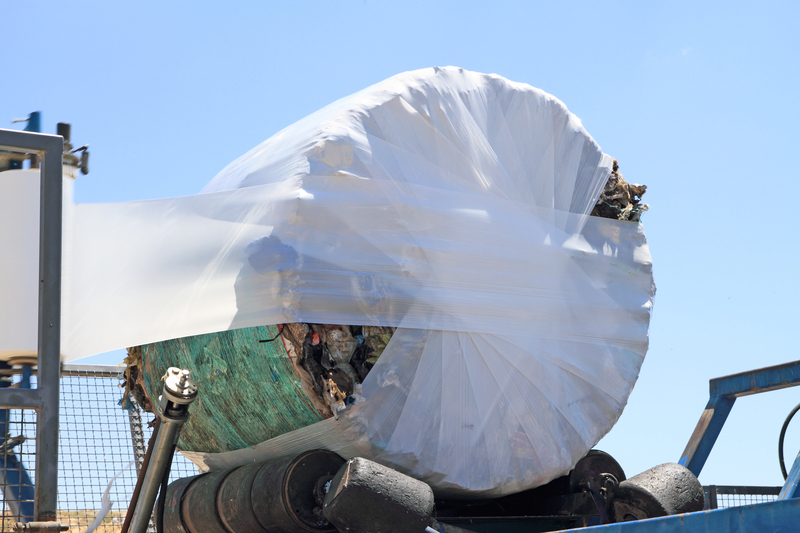
Packaging used to be an afterthought--a box, some tape, off it goes. Not anymore. Today, proper packaging and responsible cardboard disposal sit at the intersection of customer experience, cost control, and sustainability. If you ship, store, or simply shop online (and who doesn't), this topic touches your day-to-day. And the truth is, getting it right isn't just "nice to have"--it's a business advantage and, increasingly, a legal expectation. Let's unpack it (pun very much intended).
Table of Contents
- Why This Topic Matters
- Key Benefits
- Step-by-Step Guidance
- Expert Tips
- Common Mistakes to Avoid
- Case Study or Real-World Example
- Tools, Resources & Recommendations
- Law, Compliance or Industry Standards (UK-focused)
- Checklist
- Conclusion with CTA
- FAQ
Why This Topic Matters
Why Proper Packaging and Cardboard Disposal Matters More Than Ever? Because packaging is no longer just a container. It's a control point for damage rates, customer satisfaction, brand perception, and environmental impact. In an e-commerce world where next-day delivery and five-star reviews drive growth, packaging has become your silent salesperson--and your cardboard disposal process, your environmental handshake.
Let's face it, customers remember that feeling when a parcel arrives battered, overstuffed with plastic, or impossible to recycle. They also remember the brand that nailed it: right-sized box, minimal but protective padding, and a cardboard that folds neatly into the recycling bin. With UK regulations tightening and extended producer responsibility rolling out, businesses are also being measured--and billed--on packaging choices and waste outcomes. No hiding.
On the waste side, cardboard is the workhorse of modern logistics. The UK generates millions of tonnes of paper and cardboard waste annually. Paper and card remain one of the most widely recycled materials in Britain, with high recovery rates through kerbside schemes and commercial services. But what matters is quality--dry, clean, sorted cardboard becomes valuable fibre. Wet and food-stained board? That's contamination and potential rejection. It's kinda wild how a single pizza box can throw off a whole load.
A tiny micro-moment: one wet Saturday in Southwark, I watched a team wheel out a full 1100L bin of flattened boxes. It had rained hard. You could almost smell the cardboard dust turn to mush. The load was rejected, and the site paid twice--once for recycling, once again for disposal. Lesson learned.
Key Benefits
When you prioritise proper packaging and smart cardboard disposal, you unlock tangible gains. Here's what businesses (and households) typically see:
- Lower Damage Rates: Right-sized, well-engineered packaging cuts transit breakages. That's fewer replacements, fewer refunds, fewer negative reviews.
- Reduced Shipping Costs: Eliminate dead space and dimensional weight charges by sizing packaging to products. Even a 10% reduction in box volume can shave freight costs significantly.
- Faster Fulfilment: Standardised packaging workflows reduce picking time, tape usage, and fiddly void fill. Speed equals capacity.
- Brand Lift: Clean, minimal, recyclable packaging signals care and competence. Customers notice, and they talk.
- Regulatory Alignment: Meeting the UK waste hierarchy, Duty of Care, and evolving EPR requirements protects you from fines and reputational risk.
- Revenue from Cardboard: Clean, baled cardboard has commodity value. With volumes, you can offset or even surpass disposal costs.
- Lower Carbon Footprint: Less material, fewer returns, efficient transport, higher recycling rates--emissions fall at every step.
- Cleaner Sites, Safer Work: Broken-down boxes, tidier waste bays, fewer obstructions. It's practical. It's safer.
And yes, it just feels better when waste areas don't look like a cardboard avalanche. Clean, clear, calm. That's the goal.
Step-by-Step Guidance
1) Assess What You Send
Start with your product list and shipment data. Map product weight, fragility, dimensions, transit distances, and returns for damage. If breakage clusters around certain SKUs, those need packaging redesign first.
- Audit damage rates by SKU and courier. Look for patterns--corners crushed? Seals popping? Liquids leaking?
- Measure dimensional weight charges versus actual weight. Oversized packaging costs you twice.
2) Choose the Right Board
Corrugated cardboard comes in single, double, and triple wall, with flutes (B, C, E, etc.) tuned for cushioning and strength. For most e-commerce, single-wall C-flute or BC double-wall covers the majority of use cases. Look for ECT (Edge Crush Test) ratings and Box Compression Strength published by suppliers. It's the practical way to match board to load.
- Light items: single-wall, E or B flute; minimal void fill.
- Fragile or heavier items: double-wall (BC), protective inserts, water-activated tape.
- Pallet shipments: use corner protection and strap or stretch-wrap appropriately to prevent edge crush.
3) Right-Size Every Time
Underfilled boxes are damage magnets and cost hogs. Invest in a box-size matrix or right-size auto-boxing if you ship volume. As a simple fix: stock 5-8 core sizes, not 25. Train your team to pick the smallest safe fit.
Pro tip: Map your top 20 SKUs to dedicated box-and-insert combinations. That single change can halve packing time for those items.
4) Seal It Properly
Tape isn't an afterthought. For high-volume operations, water-activated tape (kraft gummed) bonds with the box fibres, often outperforming plastic tapes--stronger security and fewer splits. If using pressure-sensitive tape, the classic H-tape method (centre seam plus two edges) is the standard.
5) Use Smart Protection
Choose protective materials that fit the product risk profile and your sustainability goals: paper void fill, corrugated inserts, moulded pulp, or recyclable air pillows. Keep plastic to a minimum unless genuinely required for impact or moisture resistance.
6) Label and Test
Clear orientation labels, fragile alerts, and--where feasible--drop testing. Run a 1-metre drop test on sample shipments. Your aim? No product damage and no box failure. If it fails in a controlled test, it won't survive a courier depot on a busy Friday.
7) Design Your Cardboard Disposal Flow
This is where many sites stumble. Build a flow that treats cardboard as a valuable fibre, not mess:
- Segregate at source: Separate clean, dry cardboard from food, liquids, and general waste. Keep lids closed outdoors.
- Flatten immediately: Cut straps, remove tape where reasonable, and flatten. More volume in fewer bins equals fewer lifts.
- Bale if you can: For commercial sites, a small baler turns bulky cardboard into 100-500 kg bales you can sell. Safety training is non-negotiable.
- Store smart: Keep bales on pallets under cover. Moisture is your enemy; damp fibre loses value.
- Use a licensed carrier: Always check your contractor's waste carrier registration with the Environment Agency. Keep waste transfer notes.
8) Track, Report, Improve
Measure packaging material per order, damage-related returns, and cardboard diversion rates. Little dashboards beat big guesses. Improve quarterly, not yearly. You'll feel the difference in your P&L and in your bins.
A small aside: ever tried clearing a stockroom and found yourself keeping everything "just in case"? Packaging SKUs can sprawl the same way. Prune. You don't need six types of tape for similar jobs.
Expert Tips
- Design for the waste hierarchy: prevent first (less material), then reuse (returnable packaging where viable), then recycle. Recovery and disposal are for the leftovers.
- Shift to FSC-certified board: Signals responsible sourcing and avoids sustainability claims that don't stack up.
- Print sparingly: Water-based inks, minimal coverage. Heavy inks can affect recyclability and add cost without adding protection.
- Standard workstations: Height-adjustable benches, integrated dispensers for paper fill and gummed tape. Reduce awkward reaches--your back will thank you.
- Moisture control: Keep inbound and outbound cardboard under cover; use lidded wheelie bins outdoors. Wet fibre is wasted fibre.
- Run a cartonisation algorithm: Many WMS/OMS platforms can compute best-fit boxes and required dunnage. Even a simple ruleset in a spreadsheet beats guesswork.
- Talk to your haulier: Share your bale weights, contamination controls, and collection cadence. Better info = better rebates.
- Train, then retrain: New staff learn fast, habits slip faster. A 10-minute monthly refresher keeps standards high.
On a chilly Tuesday in Manchester, a packer told me they switched to gummed tape and cut re-taping by half. Quieter, cleaner, faster. Small change, big win.
Common Mistakes to Avoid
- Overboxing: Using a big box for a small item and filling with air pillows. Costly and annoying for customers.
- Ignoring EPR reporting: If you place packaged goods on the UK market at scale, you likely have reporting obligations already. Don't wait.
- Contaminating cardboard: Food residue, coffee spillages, paint. Keep waste streams separate.
- No baler training: Baling is brilliant--unsafe baling is not. Use proper training and signage.
- Over-taping: More tape rarely equals more strength. Structure and fit do the heavy lifting.
- Forgetting returns packaging: If returns are part of your model, design packaging that survives a round trip or supplies a clean return label sleeve.
- Storing boxes flat in damp areas: They wick moisture. Keep them off the floor, wrapped or boxed.
Truth be told, almost every site we've visited has at least one of these. Fix one per month and you'll see compounding gains.
Case Study or Real-World Example
Profile: A mid-sized fashion e-commerce retailer in East London, shipping 3,500 orders a day at peak. Frequent returns, delicate garments, and a mix of accessories. Before the project, their packaging shelves looked like an art supply shop--too many box sizes, endless rolls of tape, and a recycling area that felt like a cardboard forest.
Challenges:
- Over 6% of orders had packaging-related issues (split seams, crushed corners, returns damage).
- Frequent courier surcharge for oversized parcels.
- Cardboard bins filling up quickly; contaminated with poly mailers and coffee cups.
Actions:
- Consolidated to 7 right-sized box formats and 2 mailer options.
- Introduced gummed tape with dispensers; trained all packers.
- Added corrugated inserts for accessories; reduced plastic pillows by 80%.
- Installed a small vertical baler for OCC (old corrugated containers) and segregated collection points.
- Implemented cartonisation in the WMS to recommend box size automatically.
Results after 90 days:
- Damage-related returns fell by 42%.
- Average parcel volume reduced by 18%, delivering freight savings of roughly 12%.
- Cardboard recycling increased from 68% to 96% capture, with a modest rebate for baled OCC.
- Packing time per order down by ~15 seconds. Sounds small; feels huge at volume.
It was raining outside the day they baled their first load. You could hear the satisfying clunk as the bale straps tightened--a small sound, but it felt like progress.
Tools, Resources & Recommendations
- Right-size packaging systems: Auto-cut box makers or manual die-cut mailers for top SKUs.
- Board testing basics: ECT and BCT ratings from your supplier; sample testing in-house (1 m drop, corner crush).
- Baling equipment: Vertical balers for low/medium volumes; horizontal for high volumes. Ensure emergency stop, interlock guards, and training.
- Moisture management: Covered storage racks, lidded 660L/1100L bins, absorbent mats in loading bays.
- Tape options: Water-activated for security and fibre bond; paper tapes for recyclability; minimal plastic tapes where needed.
- Void fill: Paper systems, recycled-content options, bespoke corrugated inserts for fragile items.
- Data & dashboards: Simple spreadsheets or BI tools tracking damage rates, parcel volume, and waste diversion.
- Certifications: FSC for fibre; ISO 14001 for environmental management; BRCGS Packaging Materials for packaging suppliers.
Recommendation in plain English: choose fewer, better materials and make them work hard. Your team will thank you. Your customers will, too.
Law, Compliance or Industry Standards (UK-focused if applicable)
The UK regulatory landscape makes it crystal clear: you're responsible for packaging outcomes and waste handling. Here's the short version you can act on today.
- Environmental Protection Act 1990, Section 34 (Duty of Care): Businesses must ensure waste is stored safely, transferred only to licensed carriers, and accompanied by accurate waste transfer notes.
- Waste (England and Wales) Regulations 2011: Requires applying the waste hierarchy--prevent, reuse, recycle, recover, dispose--when dealing with waste, including cardboard.
- Producer Responsibility (Packaging Waste) Regulations 2007 and evolving Extended Producer Responsibility (EPR) for Packaging: Larger producers are obligated to report packaging placed on the market. EPR is being phased in, with mandatory data reporting already started and fee mechanisms expanding--modulated fees will link recyclability to cost.
- Packaging (Essential Requirements) Regulations: Packaging must be minimised and designed for recovery/recycling without hazardous substances exceeding limits.
- Carrier Licensing: Your waste contractor must hold a valid Environment Agency waste carrier registration. Verify and keep records.
- Documentation: Keep waste transfer notes for two years (longer for hazardous waste, though cardboard generally isn't). Weigh tickets for bales support your recycling stats.
- Claims and Greenwashing: The UK's Competition and Markets Authority (CMA) Green Claims Code expects accurate, substantiated environmental claims. If you say your packaging is recyclable, it should be recyclable in practice and at scale.
To be fair, it's a lot. But once you set up the right processes--clean segregation, good partners, accurate records--it becomes routine.
Checklist
- Audit packaging SKUs: eliminate overlaps, standardise sizes.
- Match board grades to product weights and fragility.
- Introduce cartonisation or a simple ruleset for box selection.
- Switch to water-activated or paper tapes where feasible.
- Set up clean cardboard stations: flatten, segregate, bale.
- Verify carrier licences and file waste transfer notes.
- Train staff on packing technique and waste separation.
- Keep cardboard dry: covered storage, lidded bins.
- Track KPIs: damage rates, parcel volume, recycling capture, rebates.
- Review quarterly: one improvement target per cycle.
Ever wondered why some warehouses feel calm and others feel chaotic? This checklist is the difference.
Conclusion with CTA
In a world of tighter margins, sharper customer expectations, and clearer environmental responsibilities, the question isn't whether to improve packaging and cardboard disposal--it's how quickly you can start. As we've seen, the wins pile up: fewer damages, lower shipping costs, cleaner sites, happier customers, and compliance handled without drama.
Why Proper Packaging and Cardboard Disposal Matters More Than Ever is simple: it's where operational excellence meets sustainability, and where brand trust is either built or broken--box by box.
Get a free quote today and see how much you can save.
Take a breath. Small steps, steady progress. You've got this.
FAQ
What makes cardboard "recyclable in practice" and not just in theory?
Clean, dry corrugated cardboard without heavy contamination (food, oils, paints) is widely accepted in UK kerbside and commercial collections. If it's soaked, greasy, or stuck to non-paper materials, reprocessors may reject it. Design packaging to be easily separable--paper tape and simple inserts help.
How many times can cardboard be recycled?
On average, fibres can be recycled roughly 5-7 times before they become too short to bond effectively. That's why a mix of virgin and recycled fibre usually delivers the best performance in new boxes.
Is water-activated tape actually better than plastic tape?
For many use cases, yes. It bonds with the cardboard surface, creating a strong seal that resists tampering and reduces split seams. It's also paper-based, which simplifies recycling when used reasonably.
Do I need a baler for cardboard at a small site?
Not always. If you generate limited volumes, flattened boxes in lidded bins may suffice. Once your weekly volume fills multiple 1100L bins, a small baler often pays for itself through fewer collections and potential rebates.
What's the quickest way to cut shipping costs through packaging?
Right-size your boxes and reduce void. Dimensional weight charges vanish faster than you think when parcels shrink. A simple box matrix and packer training usually deliver immediate savings.
Are printed boxes bad for recycling?
Light, water-based inks and modest coverage are fine. Heavily laminated or foil-finished boxes can reduce recyclability and should be reserved for premium cases where justified.
What UK rules apply to my packaging if I'm a small retailer?
You still have a Duty of Care for waste and must follow the waste hierarchy. Depending on the volume and turnover, you may also have reporting obligations under the UK's packaging producer responsibility system. If in doubt, review current EPR thresholds and keep accurate records.
How do I prevent cardboard contamination in a cafe or food site?
Store packaging away from preparation areas, use separate bins for card, and train staff to keep food waste out of the dry recycling. Keep lids closed outdoors--rain is the enemy.
What's the difference between ECT and BCT for boxes?
ECT (Edge Crush Test) measures the strength of corrugated board at the edge and helps estimate stacking strength. BCT (Box Compression Test) measures how much load a finished box can take. Suppliers often list these so you can match box grade to your product's needs.
Can I claim my packaging is "eco-friendly" if it's recyclable?
Be careful. Under the UK CMA Green Claims Code, claims must be truthful, clear, and supported by evidence. Saying "recyclable" is fine if it's widely recyclable in practice and you're not overstating the environmental benefit. Avoid vague terms like "green" without context.
How do I handle returns without doubling packaging waste?
Design packaging that can be resealed once, or include a simple secondary strip of tape. Provide a returns sleeve rather than a second box. Reusability where practical, minimal extra material otherwise.
Is plastic ever the right choice for protective materials?
Sometimes. For high-moisture environments or specific impact requirements, recyclable air pillows or LDPE films can reduce damage and overall emissions when used sparingly. Always weigh protection benefits against end-of-life options and customer expectations.
Why does my recycler reject perfectly good boxes after it rains?
Moisture weakens fibre strength and lowers the quality of the recovered pulp. Reprocessors discount or reject loads with high moisture content. Keep cardboard covered and bins lidded to protect value.
How often should I retrain packing staff?
Quarterly refreshers work well, with quick micro-trainings whenever new materials or SKUs are introduced. Short and regular beats long and rare.
What's a realistic timeline to see improvements?
Within 30-90 days, most teams see reduced damages, smaller parcel sizes, and cleaner recycling streams. The biggest wins often arrive after the first round of data-driven tweaks.
Why Proper Packaging and Cardboard Disposal Matters More Than Ever isn't just a headline--it's a practical path to smoother ops, happier customers, and a lighter footprint. And that, honestly, feels good.